 Cart

“A masterpiece of Weimar literature . . . sharp, funny, and heartbreaking.” —Maria Tatar, Harvard University
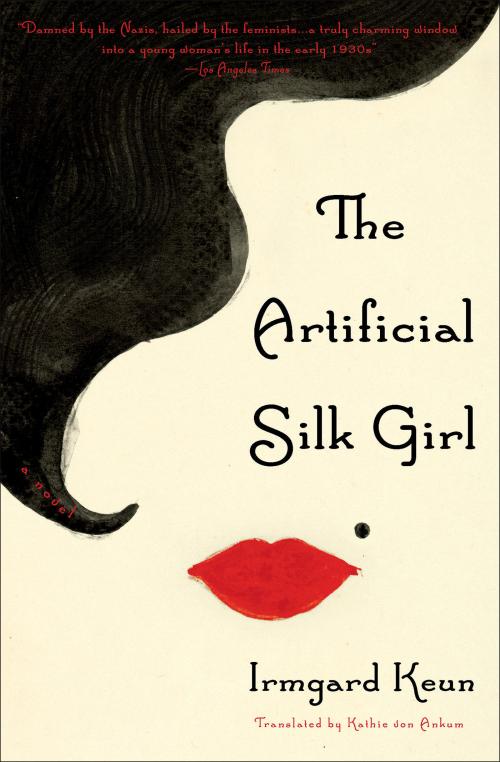
Capturing the intoxicating high life and dark underbelly of a world on the brink of collapse, this enthralling 1930s Berlin tale of a “material girl” is a glittering lost classic—rediscovered and restored to the same literary heights as Christopher Isherwood and Bertolt Brecht.
In 1931, a young German writer penned her answer to Anita Loos’s Gentlemen Prefer Blondes and the era of cinematic glamour: The Artificial Silk Girl. Though banned by the Nazis in 1933 and destroyed, the novel survived, as fresh and relevant today as the day it was written.
It is the story of Doris—eighteen, beautiful, and fiercely striving—who flees her dreary hometown for Weimar Berlin armed with a stolen squirrel-fur coat and dreams of stardom. Vowing to record her life as the heroine of her own movie script, Doris uses charm and audacity to pursue a quick rise to fame among the city’s neon avenues and cabaret halls.
Instead, she records a precarious descent into homelessness and near prostitution. Prewar Berlin is not the city of promise it seems; through Doris’s razor-sharp voice, Keun reveals a bleak, seamy urban landscape and a powerful story of female survival.